
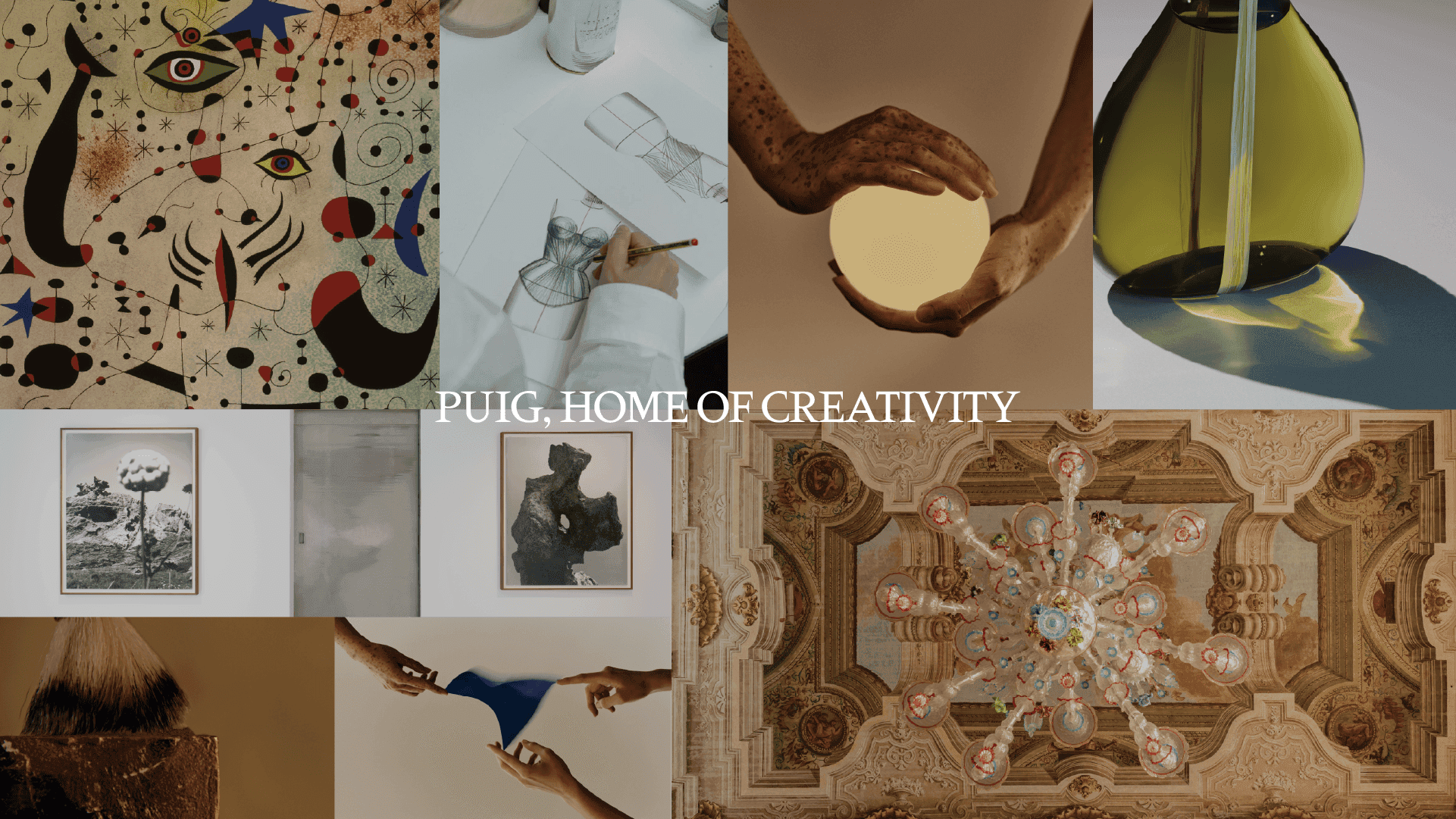
Puig defines its uniqueness as a Home of Creativity, a place where brands can shine, people grow and bold ideas are brought to life. Creativity has always been at the core of its identity. From its founding, shaped by reinvention in times of constraint, to its evolution into a global premium beauty leader, it has been a constant driver of growth, resilience, and entrepreneurial spirit.
More than a distinctive trait, it is a strategic capability that shapes how Puig thinks, acts, and builds lasting relevance across its brands, people, and communities. It brings together the company’s culture, values, and way of doing business, carried forward by generations of the founding family.
As its natural canvas, creativity reflects Puig’s timeless legacy and encourages people to dare, explore new perspectives, and continuously reinvent themselves.
Puig is a Home of Creativity
a place where brands shine, people grow, and daring ideas are brought to life.
Creativity as a universal spark
Puig understands creativity as more than artistic expression: it is a universal spark that drives everything it does. As a Home of Creativity, this mindset lives across roles, disciplines and everyday decisions, from product innovation to brand storytelling, processes and collaboration.
Puig believes creativity exists in everyone. Every challenge and every blank page is an invitation for Creators of All Kinds to explore, question and innovate. This approach is rooted in the Catalan spirit of seny i rauxa, balancing rationality with boldness to unlock potential in all its forms.
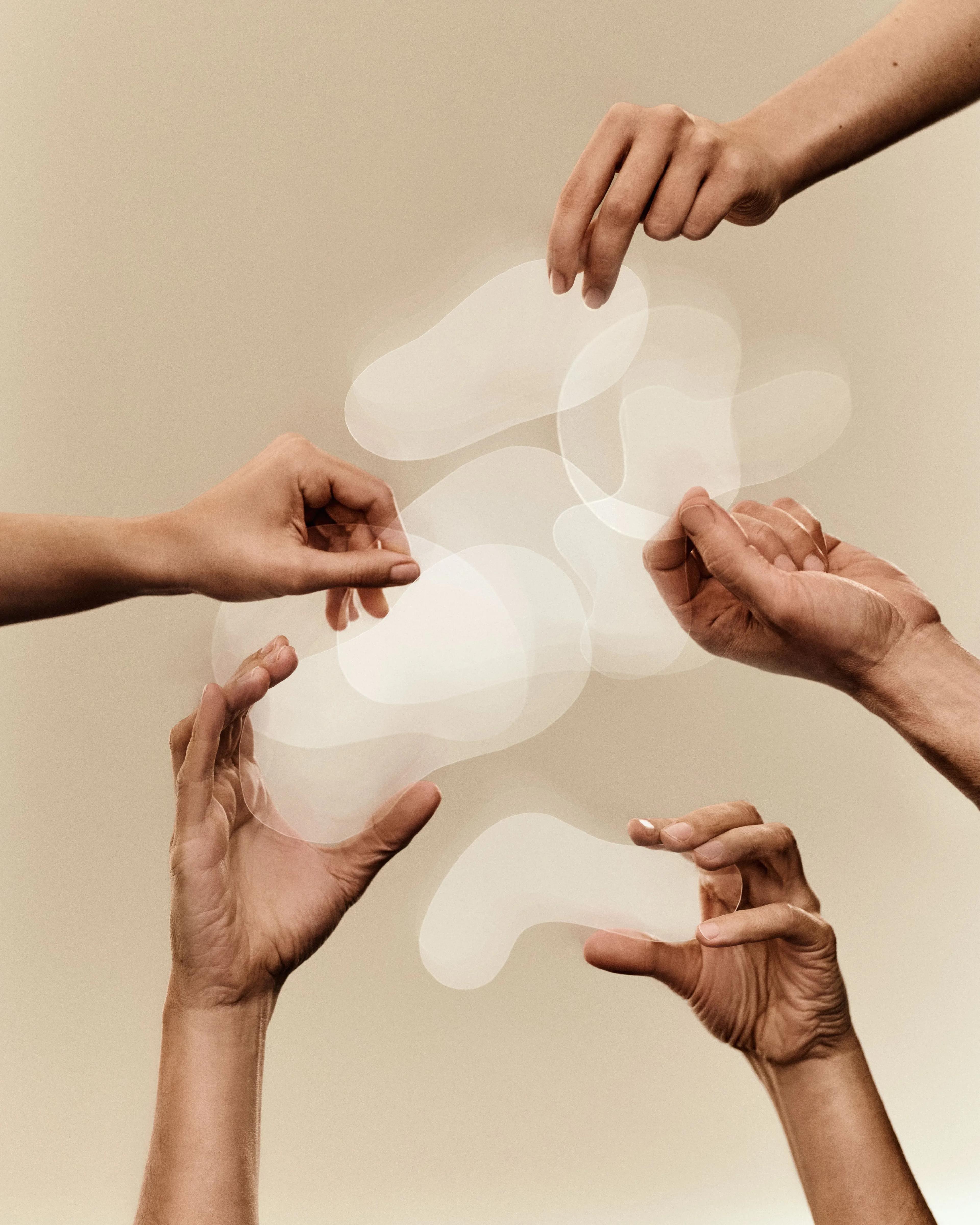
This same mindset underpins Nurture Positive Impact, its 2032 Sustainability Strategy and shapes how Puig approaches positive impact, driven by curiosity, courage and a willingness to challenge the status quo. Its ambition is to help build a better future for people and the planet, create a lasting impact in the communities it serves, and enable creativity to flourish everywhere and in everyone.
Nurture Positive Impact
Play the videoCreative potential through a data-driven lens
Puig’s conviction that creativity is a strategic capability has led it to explore its role beyond intuition, through data and analysis. In collaboration with Oxford Economics, it developed The Creative Potential Gap Report to better understand how creativity operates today and how it can be more effectively activated.
Although widely associated with progress, creativity remains unevenly defined and measured, often disconnected from its practical impact on people, organizations and society. This report aims to bring clarity, offering a structured and evidence-based view of creativity across the economy.

The transformative power of creativity
Building on this foundation, The Creative Potential Gap Report positions creativity as a universal, cross-cutting human capability, present across roles, functions and industries, and essential to generating innovative, purposeful solutions.
It highlights creativity as a systemic driver of societal progress, closely linked to wellbeing and economic growth, and strengthened by education, R&D investment, cultural participation and strong institutions. At the same time, rigid systems and limited freedoms can limit its expression, while technologies such as AI can both enable and constrain it.
Unlocking this potential requires collective action, aligning education, institutions and workplaces to foster autonomy, diversity and participation, and creating environments where creativity can truly thrive.

The meaning of creativity in today’s world
The Creative Potential Gap Report gathers a curated selection of expert voices which sheds light on what creativity means today. Based on interviews with leading academics and practitioners, these insights capture creativity as a key force for transformation, innovation and human potential. Bringing together perspectives from neuroscience, psychology, economics, education and culture, the report positions creativity not as a rare talent, but as a universal and developable capacity.
Anna Abraham
Professor and Director at the Torrance Center for Creativity and Talent Development, University of Georgia
“Creativity is about engaging, is a skill that you have to keep working on, it needs to be developed.”
Emily Akuno
Vice Chancellor at the Jaramogi Oginga Odinga University of Science Of Technology
“Creativity is to see the possible in the apparently impossible, to challenge the status quo.”

Roger Beaty
Associate Professor of Psychology at Penn State University
“Creativity comes from thinking divergently, from making lots of neurological connections, from curiosity and openness to new experiences.”

Vlad Glăveanu
Professor Psychology & Direcor of the Centre for Possibility Studies, Dublin City University
“Creativity comes in different forms and shapes but what is common is that it gives birth to meaningful novelties.”
John Howkins
Writer & strategist on the creative economy
“Something is creative when is new and satisfying, it satisfies someone’s desire to solve a problem.”

Shahn Majid
Professor of Mathematics, School of Mathematical Sciences, Queen Mary University of London
“To be truly creative it is not enough to have lots of ideas, but you need to have a passion and the strength to overcome dogmas that you might face.”

Adama Sanneh
Co-founder and CEO of Moleskine Foundation
“Creativity is an attitude, a posture, a way to look at the world.”

David Throsby
Professor of Economics, Macquarie University
“Creativity starts as an innate characteristic but not reserved for a few, but much more widespread than we think."

Creativity, as a capability that shapes the future
As referred in the report, a world defined by rapid technological, social, and economic change, creativity emerges as a critical driver of progress. It enables individuals and organizations to adapt, innovate, and re-imagine possibilities, turning uncertainty into opportunity.
As highlighted in the report, creativity is not only about generating ideas, but also about building meaningful solutions and shaping new futures.

Creativity thrives in the right environments
One of the key insights into the report is clear. Creativity is a capacity that grows through practice, exposure and the right enabling conditions. It flourishes when diverse forms of knowledge meet, when people feel empowered to question and combine, and when their environments protect the freedom to explore.
These conditions are not accidental; they are shaped by a set of interconnected forces:
- Education and continuous learning foster curiosity and critical thinking
- Cultural exposure and diversity that expand perspectives
- Freedom, trust, and psychological safety that enable experimentation
- Work environments that promote autonomy and collaboration
Key forces to unlocking creative potential
The research gathered in The Creative Potential Gap Report, identifies five interconnected forces that turn creative potential into real impact:
Culture: expanding imagination through participation
Creativity grows when people are exposed to ideas, experiences, and perspectives. Engaging with culture, whether through art, reading, or shared experiences, broadens how we think and connect ideas. It is not just inspiration; it is the foundation of creative thinking.
Education: where curiosity begins
Creativity is not a fixed talent: it is a skill that can be developed. Environments that encourage curiosity, questioning, and experimentation are the ones that truly nurture it. When learning goes beyond answers and focuses on exploration, creative confidence emerges.

Investment in ideas: turning potential into innovation
Creativity needs support to materialise. Investment in research, development, and new ideas transforms imagination into tangible outcomes. It signals what we value, and ultimately, the kind of future we want to build.
Freedom: the space to think differently
Creativity requires openness and diversity. People need to feel safe to challenge assumptions, take reasonable risks, and express new ideas. Environments built on trust, diversity, and inclusion are not just better workplaces: they are more creative ones.
Workplaces: where creativity becomes reality
Work is one of the key places where creativity is either unlocked or constrained. Organizations that foster autonomy, collaboration, and purpose enable people to experiment, contribute, and innovate. And when they do, creativity does not just drive performance: it also enhances well-being and engagement.
Creativity in motion
With creativity understood as a force for positive transformation, for individuals, communities and society as a whole, Puig continuously fosters and supports initiatives aligned with this vision.
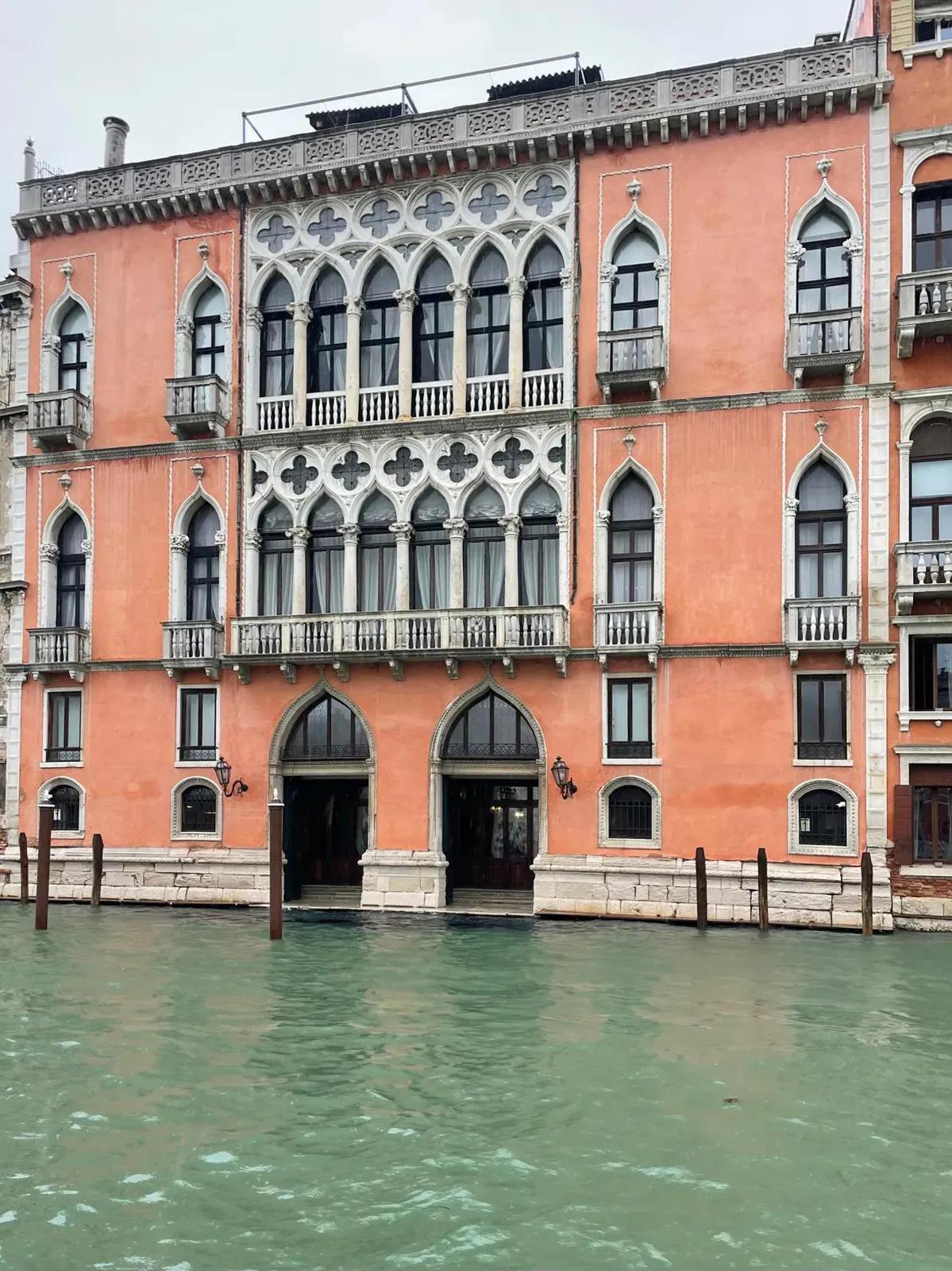
Contributing to fostering creative expression as a key driver of cultural and societal value
Fondazione Dries Van Noten is the independent cultural initiative founded by Dries Van Noten and Patrick Vangheluwe, dedicated to creativity and craftsmanship, opened in Venice on April 25, 2026. The Foundation serves as a platform for artistic dialogue and innovation, reinforcing the company’s belief in creativity as a key driver of cultural and societal value. By supporting this initiative Puig’s reinforces its commitment to fostering creative expression and supporting long-term relationships with the founders of its Love Brands.
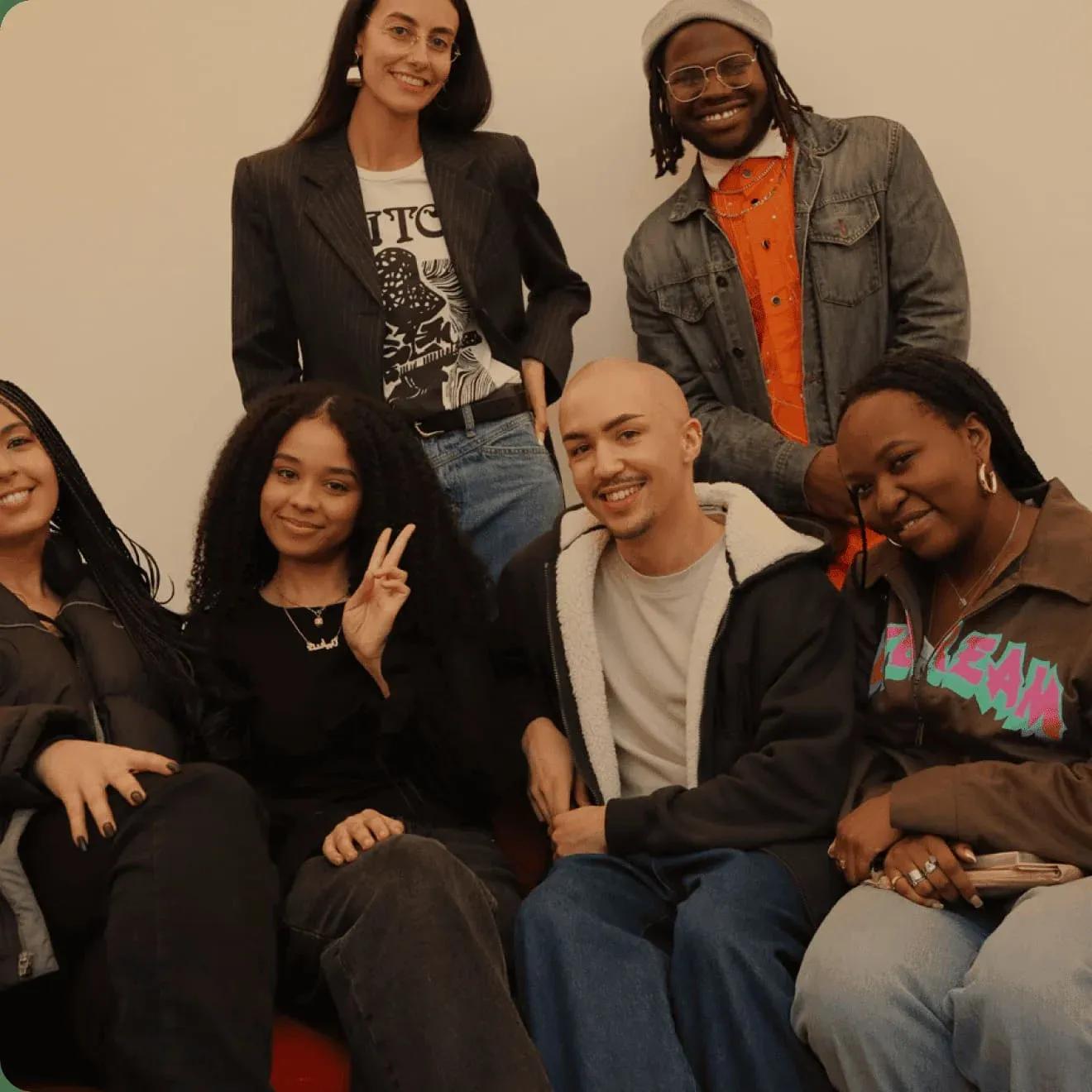
Mentoring to expand access to opportunities and foster social mobility
Since 2024, Puig partners with Mentoring Matters for improving equity and access for talent from diverse ethnic backgrounds through mentoring, training, and enabling the creation of paid opportunities for this community. Rabanne supports the program by sponsoring two mentees, engaging 12 volunteer mentors, and providing business guidance and career support. Through masterclasses, the teams deliver workshops for skill building in more than 15 countries.
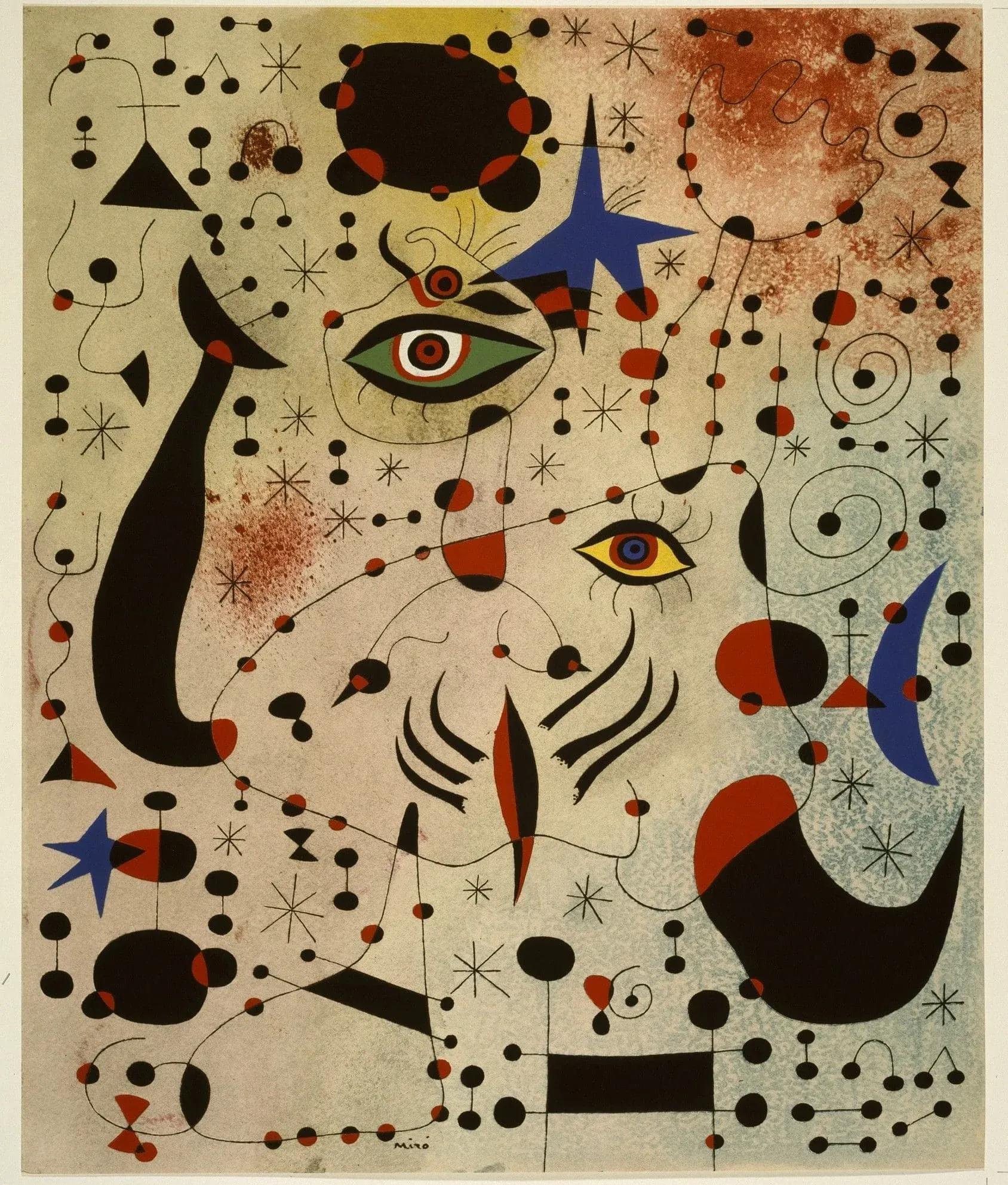
Expanding a historic relationship to encourage experimentation and boundary-pushing
Miró and the United States, presented at the Fundació Joan Miró in Barcelona and The Phillips Collection in Washington, DC, and supported by Puig, is an exhibition that explores the dialogue between Joan Miró and leading American artists. Focusing on Miró’s travels to the United States between 1947 and 1968, the exhibition highlights how these exchanges shaped his work and influenced 20th-century art. Featuring artists such as Louise Bourgeois, Jackson Pollock and Mark Rothko, it places Miró within a broader transatlantic movement. Puig’s support reflects its long-standing connection to the artist and its commitment to creativity. Just as Miró pushed artistic boundaries through experimentation and imagination, this exhibition celebrates a shared belief: that creativity is a universal force capable of connecting generations, disciplines, and cultures, and of shaping a better world.

When creativity opens new ways to create a positive impact on people’s lives
Originally developed by Puig in 2018 to address olfactory fatigue in fragrance testing, Air Parfum enhanced how scents are experienced by customers worldwide. Puig has extended its potential further by applying creativity beyond its industry and contribute to society. In collaboration with the Digital Health Validation Center at Hospital Sant Pau in Barcelona, Puig is exploring its use in the early detection of neurodegenerative diseases such as Alzheimer’s and Parkinson’s. Research shows that changes in scent recognition can appear years before visible symptoms. Following a successful pre-clinical trial, Air Parfum is currently undergoing clinical validation to become a reliable tool for assessing changes in olfactory function.
Offering a blank canvas for artistic exploration
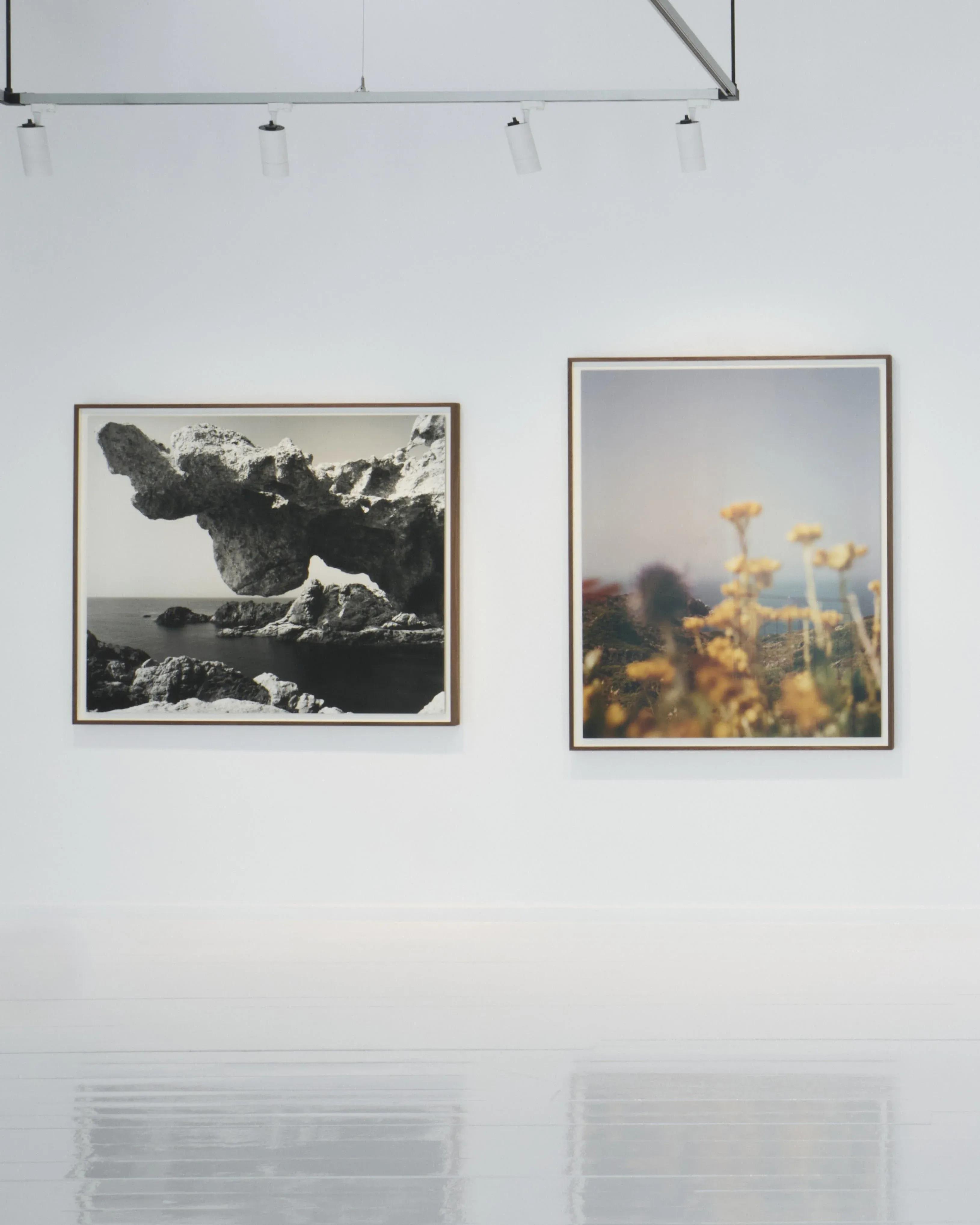
Photographs from l’Empordà by Jamie Hawkesworth, curated by M/M (Paris) and driven by Puig, opened on the autumn of 2025 in Alzueta Gallery (Barcelona) and Huxley-Parlour at Paris Photo (Paris). Conceived by Puig as a creative platform, the project reflects its spirit as a Home of Creativity, inviting Hawkesworth to capture the unique landscape of l’Alt Empordà. Known for his poetic, film-based photography, Hawkesworth spent three days exploring the region by land and sea, guided by instinct rather than convention. His images move away from postcard views, focusing instead on fleeting details and quiet moments. The result is a series of subtle, evocative compositions, where light, texture and perspective transform the everyday into something extraordinary.
Driving Social Impact Through Invisible Beauty
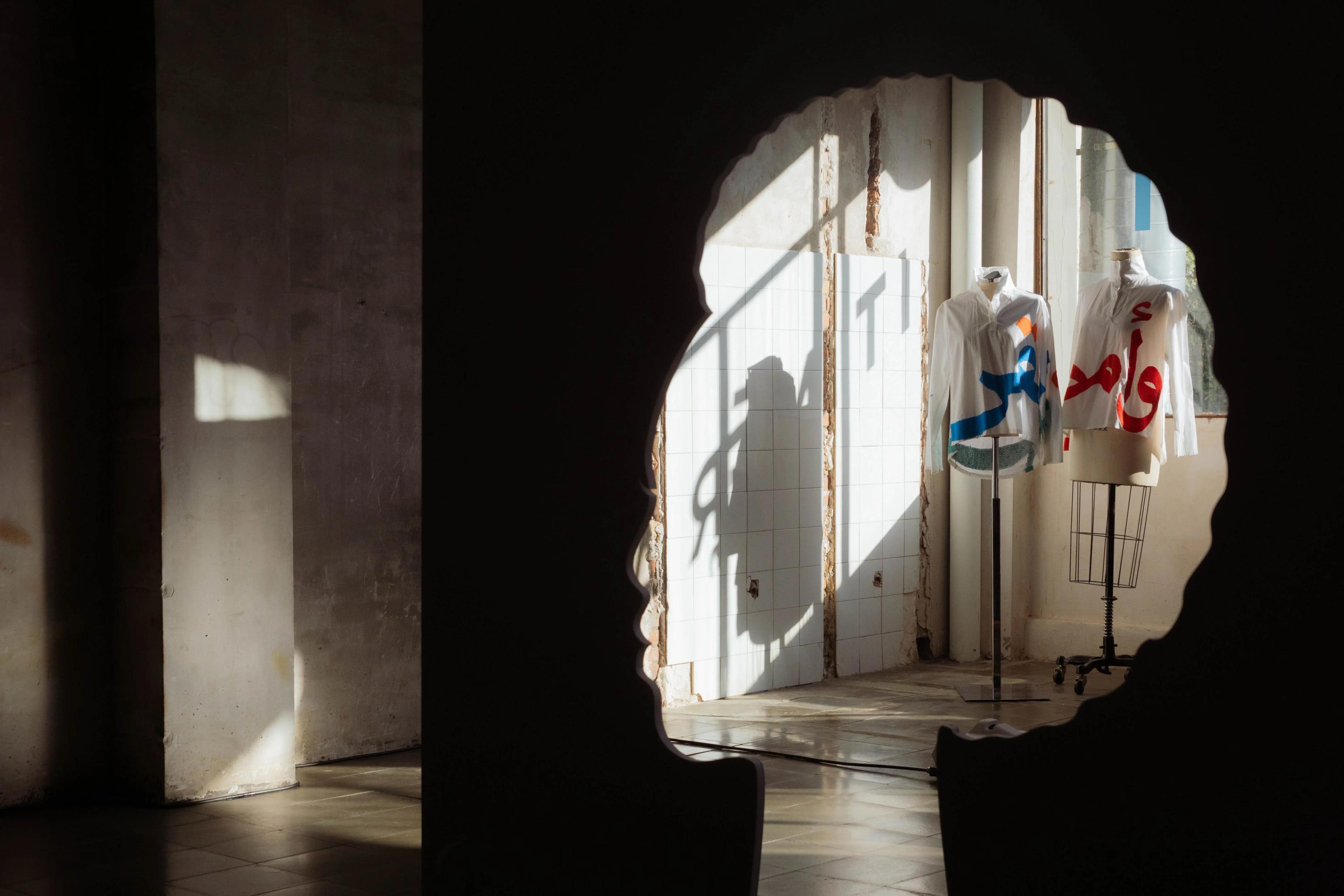
In 2014, Puig launched Invisible Beauty, a global program driven by the founding family’s vision to create a lasting positive impact on society and the environment. Aligned with the UN SDGs and focused on sustainability, inclusion, and well-being, the program ran for ten years and ended in 2024. Within this framework, Makers was the flagship initiative, designed to amplify impact by supporting social projects through collaboration, mentoring, and co-creation. Puig employees shared teir expertise and worked alongside entrepreneurs and organizations to develop scalable, long-term solutions. Makers focused on key priorities: gender equality, women’s empowerment, and responsible production and consumption (SDGs 4, 5, and 12), and has strengthened its impact as of 2022 by integrating brand collaboration. Impact of the initiative: 8+ editions, 60+ initiatives supported globally, 300+ employees involved, and 40,000+ hours of collaboration.